Help Shape Workforce Opportunities

United Community Action Network (UCAN) of Metro Denver works alongside North Denver residents to expand access to education, workforce training, and economic opportunities.

Building on its existing Apprenticeship Ready Program and OSHA construction safety training, UCAN is proposing a twelve-month resident engagement and community organizing initiative focused on community participation, educational partnerships, employer relationships, and long-term program support.

The proposed initiative would prioritize underserved Denver residents, including those in the 80216 community, while bringing together residents, students, families, schools, employers, and community organizations.

Building on Established Workforce Training

UCAN's workforce development programs offer practical preparation and resources for people exploring employment and careers in construction and the skilled trades. These existing programs provide the foundation for the proposed resident engagement work.

Apprenticeship Ready Program (ARP)

UCAN's Apprenticeship Ready Program (ARP) provides math and trade-aptitude preparation, construction fundamentals, financial education, budgeting, confidence building, interview readiness, and career preparation.

Through its workforce relationships and community-based instruction, UCAN helps participants understand further training options and pathways into the skilled trades.

OSHA Construction Safety Training

UCAN offers OSHA 10 and OSHA 30 construction safety classes that cover workplace hazards and safe work practices. Training is provided by Berta Trujillo, UCAN's Lead Trainer and an OSHA-Authorized Outreach Trainer.

Participants who successfully complete the applicable OSHA Outreach Training course receive an OSHA course completion card.

UCAN Vice President, Berta Trujillo, outside the National Western Center

Residents Help Identify Priorities

Transportation, childcare, scheduling conflicts, training costs, language access, and limited connections to employers can affect residents' ability to pursue education and employment opportunities.

UCAN proposes to work directly with residents to identify these barriers and develop practical responses. Four resident advisors representing students, program graduates, parents, and neighborhood residents would help guide the process.

Two community listening sessions would provide space for participants to share their experiences, discuss challenges, and identify opportunities for improvement.

How resident input would guide the work

  • Listen: Gather experiences and concerns through two community listening sessions.
  • Prioritize: Select two resident-led priorities for collective action.
  • Collaborate: Develop potential solutions with UCAN and participating partners.
  • Follow through: Record recommendations, assign responsibilities, and report progress to participants.

Strengthening Educational and Employer Partnerships

Workforce access depends on coordination among residents, educational institutions, training providers, employers, and community organizations.

UCAN plans to strengthen school outreach through counselor meetings, classroom presentations, family information sessions, and designated referral contacts. These activities are intended to help students and families better understand available training and career pathways.

The initiative would also seek support from contractors, construction businesses, and employers interested in providing mentorship, sponsorships, training materials, or workplace introductions. A proposed partner roundtable would allow residents to explain their priorities and participating organizations to identify specific ways they can contribute.

UCAN also intends to coordinate with apprenticeship programs, workforce centers, nonprofits, neighborhood organizations, and supportive-service providers to develop clearer referrals and access to resources. Any apprenticeship entry, credit, or placement arrangements would be described as available only after confirmation by the receiving program.

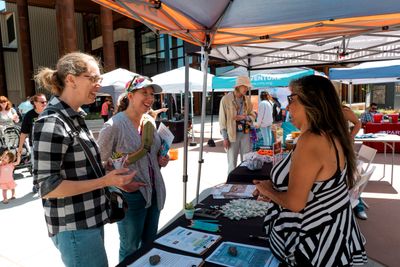
UCAN volunteer in front of crowd giving seminar on home ownership and financial literacy in Denver, CO

Goals and Measurable Outcomes

UCAN has outlined measurable targets for the proposed twelve-month initiative. These are planning goals rather than completed results or guaranteed commitments.

Resident Participation

  • Recruit 4 active resident advisors.
  • Conduct 2 listening sessions.
  • Engage 30 unique residents.
  • Advance 2 resident-selected priorities through collective action.

Community Partnerships

  • Contact at least 3 education partners.
  • Contact at least 8 employers or community organizations.
  • Convene 1 partner roundtable.
  • Seek 3 written partnership commitments.

Training and Mentorship

  • Generate 15 qualified program referrals.
  • Seek 10 enrollments across ARP and OSHA offerings, subject to separately funded training capacity.
  • Orient 5 volunteer mentors and seek 5 participant matches, based on consent and availability.

Feedback and Long-Term Support

  • Target at least 80% of resident survey respondents reporting that their input helped shape priorities.
  • Seek 2 sponsorship commitments totaling $2,500 in cash or documented in-kind support.
  • Develop a resident-informed plan for ongoing recruitment, partnerships, and program sustainability.

Continuing the Work Beyond the Grant Period

UCAN proposes quarterly reviews of resident participation, referrals, partnerships, and progress toward project goals. Residents would receive updates about which recommendations have been adopted, which remain pending, and who is responsible for the next steps.

At the end of the proposed twelve-month period, UCAN intends to complete a sustainability plan that draws on recurring school referrals, resident ambassadors, mentorship, employer sponsorships, donated resources, and additional funding opportunities. The aim is to support continuity in existing workforce programs while keeping future decisions connected to residents' priorities.